Starting exercise can feel exciting, but it can also feel confusing. One of the first questions many beginners ask is, how many days a week should beginners exercise? In my experience, the best approach is not to exercise every day right away. It is better to start with a routine that feels manageable, allows your body to recover, and helps you build a habit that you can continue for a long time.
For most beginners, exercising around three days a week is a good starting point. You can slowly increase your activity as your fitness level improves. The goal is to make exercise a regular part of your lifestyle rather than something you do for a few days and then stop.
How Many Days a Week Should Beginners Exercise?
If you are completely new to exercise, I recommend starting with three days a week. This gives you enough opportunities to move your body while also giving your muscles time to recover.
For example, you could exercise on Monday, Wednesday, and Friday. You can use the days between workouts for rest, light walking, stretching, or normal daily activities.
Beginners do not need to spend hours in the gym. Even a 20 to 30 minute workout can be a useful starting point. What matters most is consistency.
As you become more comfortable, you can gradually exercise four or five days a week. However, this does not mean every workout needs to be intense. Some days can be focused on strength, while other days can include walking, stretching, cycling, or another enjoyable activity.
Why Three Days a Week Is a Good Starting Point
There are several reasons why three days a week can work well for beginners.
First, it gives your body enough recovery time. When you start exercising, your muscles may become sore because they are doing activities they are not used to. Rest helps your body recover and adapt.
Second, three workouts per week are easier to fit into a busy schedule. If you try to exercise seven days a week from the beginning, you may quickly feel tired or lose motivation.
Third, exercising three days a week gives you enough practice to build a routine. Once exercise becomes part of your normal weekly schedule, increasing your activity becomes easier.
In my opinion, consistency is much more important than trying to do too much at the beginning.
How Long Should a Beginner Exercise?
The number of days you exercise is important, but workout duration also matters. Beginners do not need long workouts to make progress.
A good starting point can be around 20 to 30 minutes per session. You can spend a few minutes warming up, followed by your main activity, and finish with gentle stretching or a cool down.
As your fitness improves, you can gradually increase the length of your workouts.
For example, your first few weeks might look like this:
Monday can be a 25 minute full body workout.
Wednesday can be a 30 minute brisk walk.
Friday can be another 25 minute strength workout.
This simple routine can provide a good foundation without making exercise feel overwhelming.
What Types of Exercise Should Beginners Do?
A balanced beginner workout routine should include different types of physical activity. You do not need to focus on only one form of exercise.
Walking
Walking is one of the easiest activities for beginners. You can walk outdoors, use a treadmill, or simply take more steps during your normal day.
A brisk walk can increase your heart rate while remaining relatively easy to manage.
Strength Training
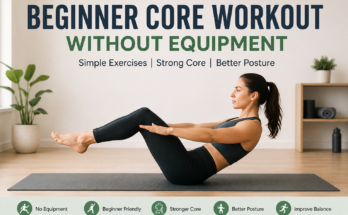
Strength training can help beginners build stronger muscles and improve everyday movement. You can start with bodyweight exercises such as squats, wall push ups, glute bridges, and simple core exercises.
If you use weights, begin with light resistance and focus on learning proper technique.
Cardio Exercise
Cardio activities include walking, cycling, swimming, dancing, and many other activities. Choose something you enjoy because enjoyment can make it easier to stay consistent.
Flexibility and Mobility
Stretching and mobility exercises can help you move comfortably. You can include a few minutes of gentle stretching after your workouts or on your recovery days.
Should Beginners Exercise Every Day?
I do not recommend that a complete beginner start with hard workouts every day. Your body needs time to recover, especially when you are introducing new movements.
However, being physically active every day does not necessarily mean doing a full workout every day.
For example, you could do strength training three days a week and take easy walks on other days. This approach allows you to stay active while giving your body a break from intense exercise.
Rest is not a waste of time. It is an important part of a healthy fitness routine.
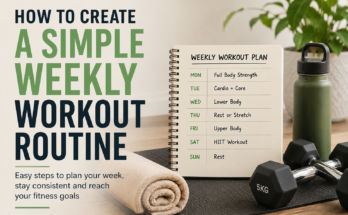
A Simple Beginner Exercise Schedule
Creating a weekly exercise schedule can make your fitness journey easier. Here is a simple example for someone who is just starting.
Monday: Full body strength workout for 25 to 30 minutes
Tuesday: Easy walking or normal daily activity
Wednesday: Cardio workout for 20 to 30 minutes
Thursday: Rest or gentle stretching
Friday: Full body strength workout for 25 to 30 minutes
Saturday: Easy walk, cycling, or another enjoyable activity
Sunday: Rest
This routine is flexible. You can change the days according to your schedule and personal preferences.
The important thing is to avoid thinking that every workout needs to be perfect. A simple workout that you complete regularly is often better than a complicated workout that you rarely do.

How Beginners Can Increase Exercise Gradually
One mistake I often see beginners make is trying to progress too quickly. They may start exercising every day, increase the workout duration, and push themselves too hard.
This can make exercise feel exhausting and may increase the chance of discomfort or injury.
Instead, increase your activity gradually.
If you currently exercise three days a week, stay with that schedule until it feels comfortable. Then you can consider adding another active day.
You can also increase your workout time slowly. For example, you might start with 20 minute sessions and eventually move toward 30 or 40 minute sessions.
There is no need to rush. Fitness is a long term process.
Listen to Your Body
One of the most useful habits beginners can develop is learning to listen to their bodies.
Normal muscle tiredness can happen when you start a new exercise routine. However, sharp pain, unusual discomfort, dizziness, or other concerning symptoms should not simply be ignored.
If something does not feel right, take a break and consider getting professional advice when appropriate.
Your fitness routine should help you become healthier and stronger, not leave you constantly exhausted.
How Many Rest Days Should Beginners Take?
Rest days depend on your workout intensity, fitness level, age, schedule, and overall health. Many beginners can benefit from having several lighter or recovery days throughout the week.
A rest day does not always mean sitting all day. Gentle walking and normal daily movement can still be part of your day.
The main purpose is to give your body a chance to recover from more demanding workouts.
If your muscles are very sore after a workout, allowing additional recovery time can be a sensible choice.
Exercise and a Busy Schedule
A busy schedule is one of the biggest reasons people struggle to exercise consistently. The good news is that workouts do not always need to be long.
If you only have 20 minutes, use those 20 minutes. A short walk or quick workout is still movement.
I believe beginners should focus on making exercise convenient. You can exercise at home, walk around your neighborhood, use basic equipment, or perform bodyweight exercises.
Planning your workouts ahead of time can also help. Treat your exercise time like an important appointment.
How to Stay Consistent With Exercise
Knowing how many days a week beginners should exercise is only the first step. The bigger challenge is staying consistent.
One useful strategy is to choose realistic goals. Instead of saying that you will exercise every day for an hour, start with three workouts per week.
You can also choose activities that you actually enjoy. If you dislike running, you do not have to run. Walking, swimming, cycling, dancing, and strength training are all possible options.
Another helpful habit is tracking your workouts. You can write down the days you exercise and what activity you completed. Seeing your progress can provide extra motivation.
Most importantly, do not give up because you missed one workout. Everyone has busy days. Simply return to your routine at the next opportunity.
When Should Beginners Increase Their Workout Days?
You can consider increasing your workout frequency when your current routine feels comfortable and you are recovering well between sessions.
For example, if you have been exercising three days a week for several weeks and feel good, you might add a fourth active day.
The extra day could be something simple such as walking or mobility work rather than another difficult workout.
Your goal should be sustainable progress. There is no prize for doing the most workouts in one week.
Final Thoughts
So, how many days a week should beginners exercise? For most people who are starting from a low activity level, three days a week is a practical and manageable starting point. You can begin with 20 to 30 minute sessions and gradually increase your activity as your fitness improves.
A good beginner exercise routine should include a mixture of strength training, cardio, walking, mobility, and recovery. You do not need to exercise intensely every day to make progress.
In my view, the best workout routine is the one you can follow consistently. Start slowly, focus on good form, give your body enough time to recover, and increase your activity gradually.
Fitness is not about becoming perfect in one week. It is about building healthy habits that you can maintain for months and years. Start with three days, stay consistent, listen to your body, and allow your routine to grow naturally as your confidence and fitness level improve.