Staying consistent with your fitness goals can be one of the hardest parts of getting healthy. Starting a workout routine is usually exciting because you feel motivated and ready to make a change. The real challenge begins after a few days or weeks when motivation becomes weaker and daily responsibilities become more important.
In my experience, fitness is not about being perfect every day. It is about creating simple habits that you can continue for a long time. If you want to learn how to stay consistent with your fitness goals, you need to focus on realistic routines, patience, discipline, and progress.
Set Clear and Realistic Fitness Goals
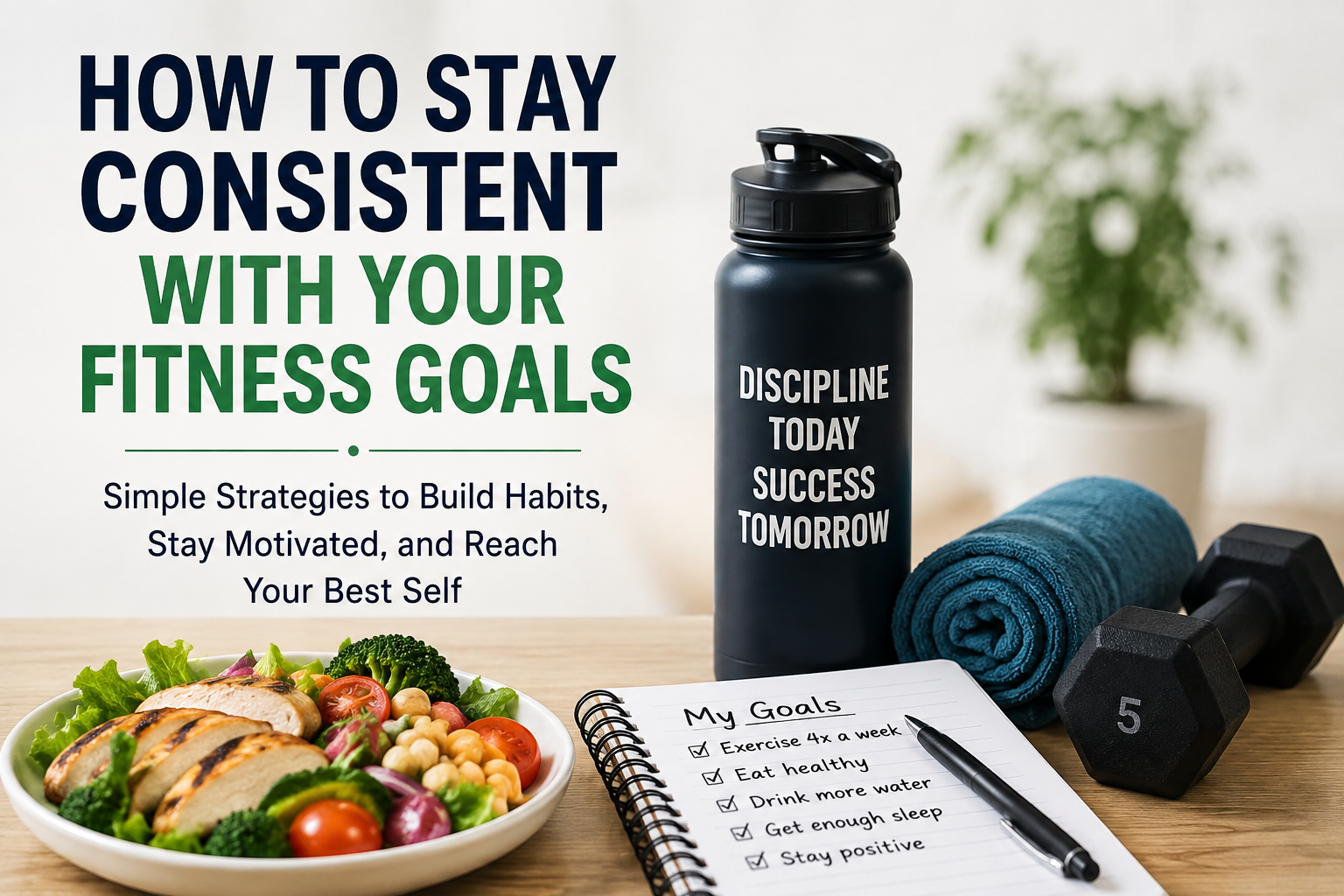
The first step to staying consistent with your fitness goals is knowing exactly what you want to achieve. A general goal such as getting fit can be difficult to follow because it does not give you a clear direction.
Instead, create specific goals. You might want to exercise four days a week, improve your strength, increase your daily steps, build better endurance, or simply become more active.
I believe realistic goals are much easier to maintain than extreme goals. If you suddenly decide to exercise every day for two hours, you may feel excited at first, but the routine can quickly become exhausting. A simple workout routine that fits your lifestyle is usually a better choice.
Start with something you can manage. Once your routine becomes a habit, you can slowly increase the amount of exercise.
Create a Simple Workout Routine
A complicated workout plan can make fitness feel like another stressful responsibility. This is why I prefer keeping a fitness routine simple, especially when starting.
Choose specific days and times for exercise. For example, you could exercise on Monday, Wednesday, Friday, and Saturday. Your workouts do not have to be extremely long. Even a short workout can help you build consistency.
You can include activities such as walking, bodyweight exercises, cycling, stretching, strength training, or other activities that you enjoy.
The most important thing is to create a routine that you can repeat. When exercise becomes part of your normal schedule, it becomes easier to stay consistent.
Choose Exercise You Actually Enjoy
One of the best ways to stay consistent with your fitness goals is to enjoy your workouts. If you hate every minute of your exercise routine, it can be difficult to continue for months.
There are many ways to stay active. Some people enjoy going to the gym, while others prefer walking outside, cycling, swimming, dancing, home workouts, or playing sports.
I think there is no single perfect exercise for everyone. The best workout is often the one you enjoy enough to keep doing.
Try different activities and pay attention to what makes you feel good. When exercise feels enjoyable instead of being a punishment, staying consistent becomes much easier.
Do Not Depend Only on Motivation
Motivation is helpful, but it is not always reliable. Some days you will feel excited about exercising. Other days you may feel tired, busy, or completely uninterested.
This is normal.
If you only exercise when you feel motivated, your fitness routine may become inconsistent. Instead, try to build discipline and habits.
For example, decide that you will walk for twenty minutes after dinner. After repeating this routine regularly, it can become a normal part of your day. You do not need to think about motivation every time.
In my opinion, consistency comes from making exercise a habit rather than waiting for the perfect mood.
Start Small and Build Slowly
Many people make the mistake of doing too much too soon. They begin with difficult workouts and strict routines because they want fast results.
This approach can make exercise difficult to maintain.
Starting small can be more effective. If you are new to fitness, begin with manageable workouts. You can exercise for fifteen or twenty minutes and gradually increase your workout time as your fitness improves.
Small actions may not seem impressive at first, but they can create powerful long term habits. The goal is to keep moving forward rather than trying to change everything overnight.
Schedule Your Workouts
Treat your workout time like an important appointment. Write it down in your calendar or set a reminder on your phone.
When exercise has a specific time, you are less likely to forget it or replace it with another activity.
I find that choosing a regular workout time can make fitness much easier. Some people prefer exercising in the morning because they feel fresh and have fewer distractions. Others prefer exercising in the evening after finishing work or other responsibilities.
Choose a time that works best for your lifestyle. There is no universal perfect workout time.
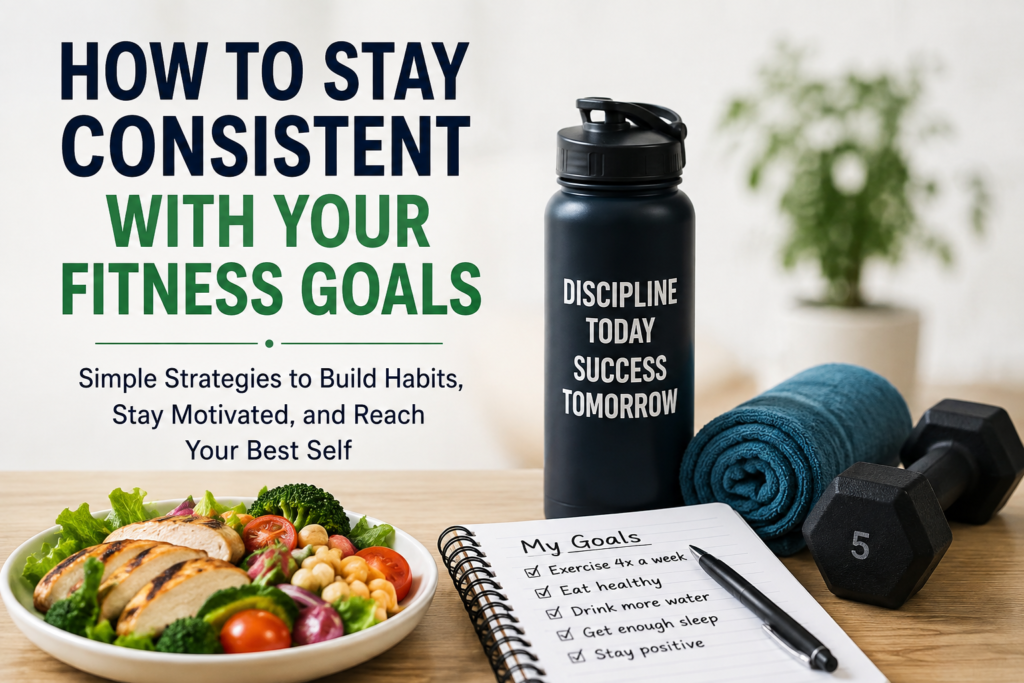
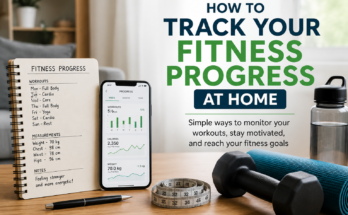
Track Your Fitness Progress
Tracking your progress can help you stay motivated. You do not have to measure everything. Simple tracking can be enough.
You can record how many workouts you complete each week, how long you walk, how many repetitions you perform, or how much weight you use during strength exercises.
You can also write down how you feel after workouts.
Progress is not always visible in the mirror or on a scale. You may notice that you have more energy, better endurance, improved strength, better sleep, or greater confidence.
These improvements are important signs that your fitness routine is working.
Do Not Give Up After Missing a Workout
Missing one workout does not mean you have failed.
This is an important mindset for anyone trying to stay consistent with fitness goals. Life can become unpredictable. You may get busy, travel, feel tired, or simply need a rest day.
The problem starts when one missed workout becomes several weeks without exercise.
If you miss a workout, simply return to your routine the next day or at the next suitable opportunity. Do not waste time feeling guilty.
I believe consistency does not mean never missing a day. It means returning to your routine whenever you get off track.
Make Healthy Choices Outside the Gym
Fitness is not only about workouts. Your daily lifestyle also matters.
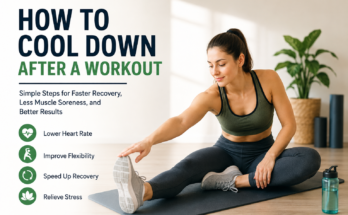
Try to eat balanced meals, drink enough water, get adequate sleep, and give your body time to recover. These habits can support your energy and make it easier to exercise regularly.
You do not need to follow a perfect diet. Focus on making better choices most of the time.
A balanced approach is easier to maintain than an extremely restrictive routine. Fitness should become part of a healthy lifestyle rather than a short term challenge.
Find Someone Who Can Support You
Having support can make your fitness journey more enjoyable. You can exercise with a friend, family member, workout partner, or fitness group.
When someone expects you to show up, you may feel more responsible for completing your workout.
You can also share your progress with someone you trust. Celebrating small achievements together can provide extra encouragement.
If you prefer exercising alone, you can still create accountability by keeping a workout journal or tracking your routine on your phone.
Focus on Progress Instead of Perfection
Perfection is one of the biggest reasons people lose consistency. They believe that if they cannot follow their fitness plan perfectly, there is no reason to continue.
I think this mindset should be avoided.
Some weeks will be better than others. You may complete every workout one week and only complete two workouts the next week. That does not erase your previous progress.
Look at the bigger picture. If you are becoming more active over several months, you are moving in the right direction.
Your goal should be progress, not perfection.
Reward Yourself for Consistency
Small rewards can make your fitness journey more enjoyable. When you complete a certain number of workouts, you can celebrate the achievement in a healthy way.
You might buy a new workout shirt, spend time doing a favorite activity, watch a movie, or simply take a moment to recognize your progress.
The reward does not have to be expensive. The important part is acknowledging that your effort matters.
Be Patient With Your Results
Fitness results usually take time. You may not notice major changes after a few workouts, and that is completely normal.
Your body needs time to adapt to regular physical activity. Strength, endurance, flexibility, and body composition can improve gradually.
Instead of constantly asking when you will reach your final goal, focus on what you can do today.
If you continue exercising, eating well, recovering properly, and staying patient, your efforts can add up over time.
Final Thoughts
Learning how to stay consistent with your fitness goals is less about finding constant motivation and more about building habits that fit your life. Set realistic goals, create a simple workout routine, choose activities you enjoy, and track your progress.
Do not expect yourself to be perfect. Missing a workout does not mean your fitness journey is over. Simply get back to your routine and continue.
From my point of view, the biggest secret to fitness consistency is making exercise a normal part of your lifestyle. You do not need to make dramatic changes every day. Small actions repeated regularly can create meaningful results.
Stay patient, keep your goals realistic, and focus on becoming a little stronger and healthier over time. When you build a routine that you can actually enjoy and maintain, staying consistent with your fitness goals becomes much easier.