Starting a workout routine can be exciting. When I first think about beginner fitness, I believe the biggest challenge is not finding exercises. The real challenge is knowing how to exercise correctly, how much to do, and how to stay consistent without becoming frustrated. Many beginners make simple workout mistakes because they want quick results. Unfortunately, these mistakes can slow progress, create unnecessary soreness, or even lead to injury.
In my opinion, a good beginner workout routine should be simple, comfortable, and realistic. You do not need to train like an experienced athlete from your first day. You need to build good habits and give your body enough time to adapt.
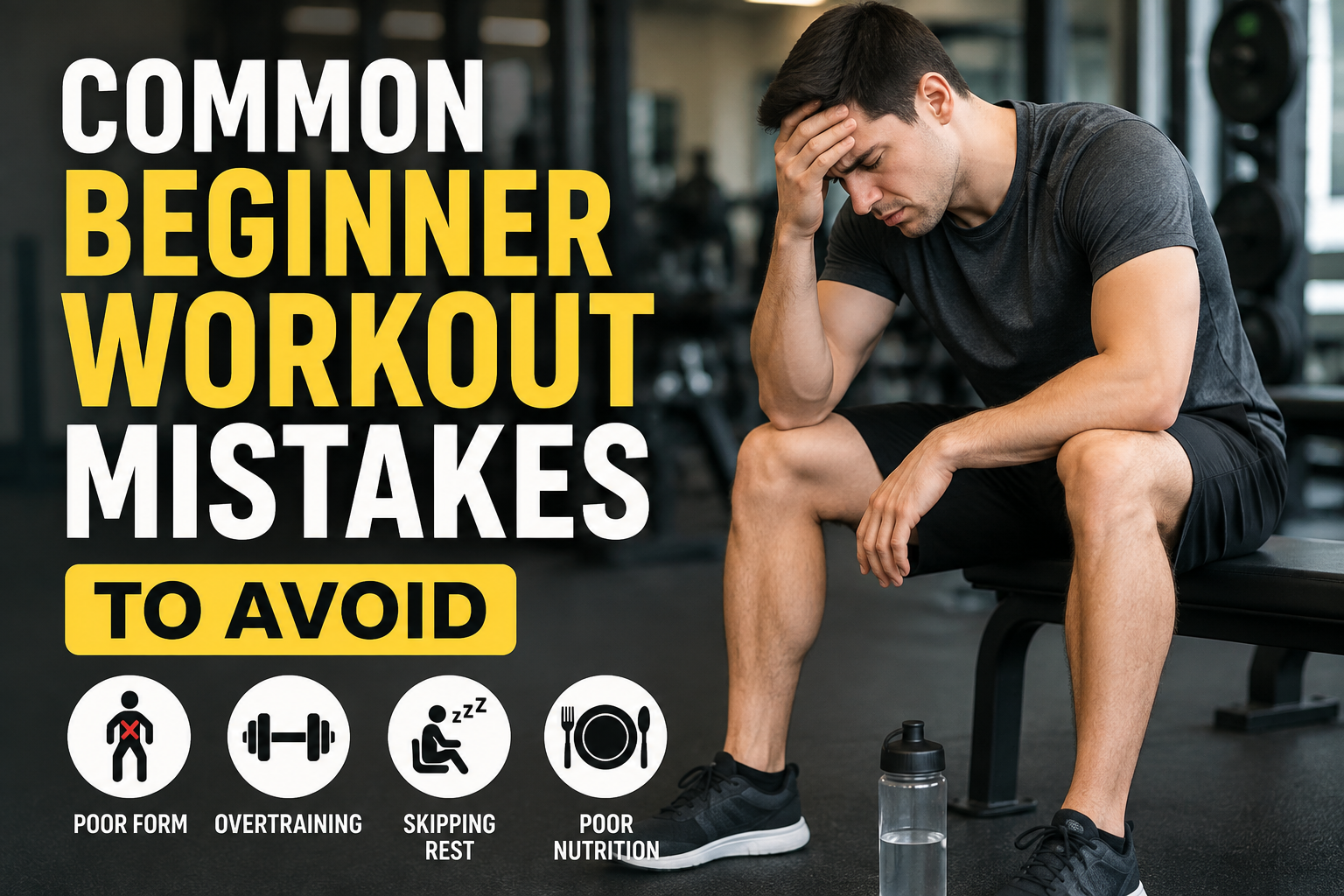
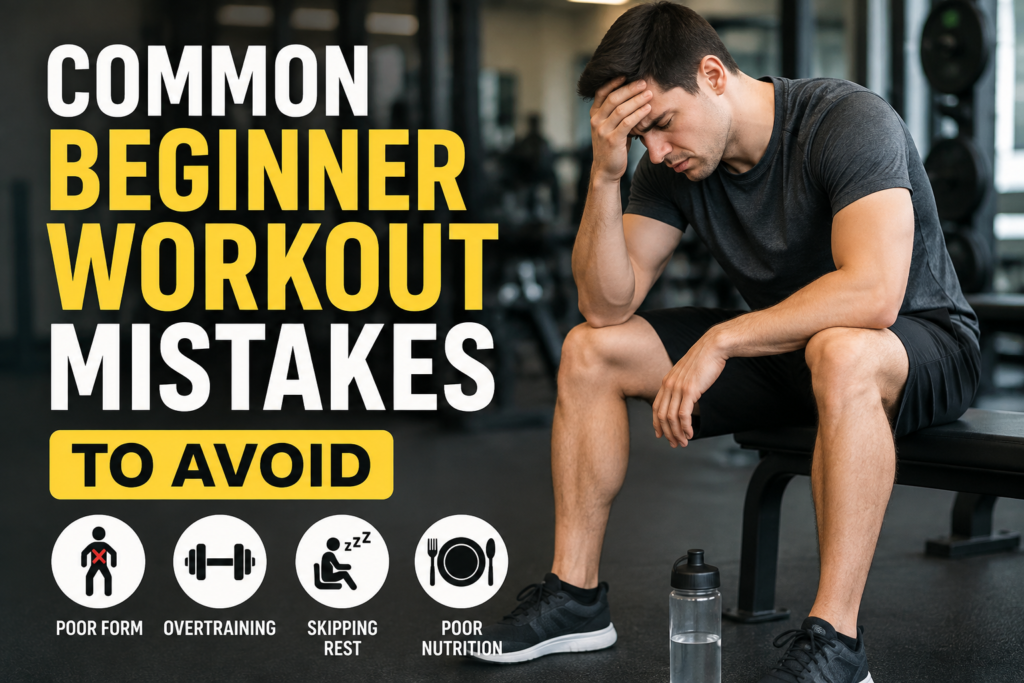
Here are some of the most common beginner workout mistakes to avoid if you want to make your fitness journey easier and more enjoyable.
Starting With Too Much Intensity
One of the most common beginner workout mistakes is doing too much too soon. A person may feel motivated on the first day and spend an hour or more exercising at a very high intensity. While motivation is helpful, the body needs time to adjust to a new physical routine.
When you suddenly increase your workout intensity, you may experience extreme muscle soreness, tiredness, or a lack of motivation in the following days. This can make it difficult to continue.
I believe beginners should start slowly. Begin with manageable workouts and gradually increase the duration or intensity as your fitness improves. Consistency is much more important than having one extremely difficult workout.
Ignoring Proper Exercise Form
Another important mistake is focusing only on completing repetitions instead of performing exercises correctly. Poor exercise form can reduce the benefits of a workout and may increase the chance of injury.
For example, when performing squats, beginners should learn the basic movement instead of immediately trying to lift heavy weights. The same applies to push ups, lunges, rows, and other strength exercises.
In my view, learning proper exercise form should always come before increasing weight or repetitions. If you are unsure about an exercise, start with a simple version and learn the movement carefully.
Trying to Lift Heavy Weights
Many beginners believe that lifting heavier weights will produce faster results. This is not always true. Heavy weights can be useful when someone has developed the necessary strength and technique, but they are not essential for starting a workout routine.
A beginner should choose a weight that allows controlled and comfortable movement. You should be able to maintain proper form throughout the exercise.
I prefer the idea of building strength gradually. Once your technique becomes comfortable and your body adapts, you can slowly increase the resistance.
Skipping the Warm Up
Skipping the warm up is another common workout mistake. Some people walk into the gym and immediately start lifting weights or performing intense cardio.
A short warm up can help prepare your body for exercise. It can include easy walking, gentle cycling, light movements, and simple dynamic exercises.
You do not need a complicated warm up. Even a few minutes of light activity can help you transition from rest to exercise.
For beginners, I think a simple warm up is one of the easiest habits to develop. It prepares you mentally and physically for the workout ahead.
Doing the Same Exercise Every Day
When beginners find an exercise they enjoy, they sometimes repeat it every day. While enjoying your workout is a good thing, your body also needs recovery.
Training the same muscles repeatedly without enough rest can make you feel tired and may affect your performance. A balanced workout routine should include different types of movement and appropriate rest.
For example, you could combine walking, strength exercises, mobility work, and light cardio throughout the week. This gives your body variety while helping you stay active.
Not Taking Rest Days
Rest is a major part of fitness, but beginners sometimes think that exercising every day is the only way to make progress.
Your body needs time to recover from physical activity. Rest days can help you return to your workouts with better energy and motivation.
I believe beginners should not feel guilty about taking a rest day. Rest does not mean that you are being lazy. It is part of a balanced fitness routine.
You can still stay lightly active on a rest day by walking, stretching gently, or doing normal daily activities.
Comparing Yourself With Others
Social media can make fitness look like a competition. You may see people lifting heavy weights, running long distances, or showing dramatic physical transformations.
Comparing your beginning to someone else’s progress can be discouraging. Everyone starts with different fitness levels, schedules, lifestyles, and goals.
Instead of comparing yourself with another person, I recommend comparing your current performance with where you were a few weeks ago.
Maybe you can walk longer now. Maybe you can perform more repetitions. Maybe your energy has improved. These small changes are valuable signs of progress.
Expecting Fast Results
One of the biggest beginner fitness mistakes is expecting immediate results. Many people start exercising and expect to see major physical changes within a few weeks.
Fitness is a long term process. Results depend on many factors, including your exercise routine, nutrition, sleep, genetics, stress, and consistency.
I think it is better to focus on daily habits rather than constantly checking for physical changes. When you build a sustainable workout routine, improvements can develop naturally over time.
Neglecting Nutrition
Exercise is important, but nutrition also plays an important role in overall fitness. Some beginners work hard during workouts but pay little attention to their everyday eating habits.
You do not need a complicated diet to support your fitness goals. Focus on balanced meals that include nutritious foods such as vegetables, fruits, whole grains, protein sources, and healthy fats.
Hydration also matters, especially when you are physically active. Drinking enough water throughout the day can support normal body functions and help you feel better during exercise.
Rather than following extreme diets, I prefer simple eating habits that are realistic enough to maintain.
Not Getting Enough Sleep
Sleep is often overlooked by beginners who are excited about their new workout routine. However, recovery is an important part of becoming fitter.
If you regularly get poor sleep, you may feel tired during workouts and struggle to maintain your routine.
Try to create a consistent sleep schedule and give yourself enough time to rest. A good workout routine should fit into a healthy lifestyle rather than replacing important recovery habits.
Following Random Workouts Without a Plan
There are thousands of workouts available online, and this can sometimes make beginners confused. Jumping from one workout to another every day may make it difficult to understand whether you are actually progressing.
A simple plan can make your fitness journey easier.
You might choose three workout days each week and include basic strength exercises, walking, or another form of enjoyable cardio. You can then gradually adjust your routine based on your progress.
The goal is not to create the most complicated workout plan. The goal is to create a plan you can actually follow.
Ignoring Pain
There is a difference between normal exercise discomfort and pain that may indicate a problem. Beginners sometimes believe they should continue exercising no matter how they feel.
I strongly believe you should listen to your body. If you experience sharp, severe, or unusual pain during exercise, stop the movement and consider getting advice from a qualified healthcare professional.
Normal muscle fatigue can happen during exercise, but pain should not simply be ignored.
Forgetting to Track Progress
Another mistake is not tracking progress at all. You do not need a complicated fitness journal. A simple note on your phone can be enough.
You can record your workouts, walking time, repetitions, weights, or how you felt after exercising.
Tracking these details can help you notice improvements that may otherwise go unnoticed. It can also give you motivation when progress feels slow.
Making Fitness Too Complicated
I think one of the biggest lessons for beginners is that fitness does not need to be complicated.
You do not need expensive equipment, an advanced workout program, or hours at the gym to become more active. Simple activities such as walking, bodyweight exercises, stretching, and basic strength training can be useful parts of a beginner workout routine.
The most effective routine is often the one you can follow consistently.
How to Avoid Beginner Workout Mistakes
The easiest way to avoid these mistakes is to focus on a few basic principles. Start slowly, learn proper exercise form, choose realistic goals, allow enough recovery, eat balanced meals, stay hydrated, and remain consistent.
Do not worry about being perfect. Everyone makes mistakes when learning something new. What matters is recognizing those mistakes and improving your approach.
I also recommend choosing exercises that you actually enjoy. If you hate every workout you do, it can be difficult to stay consistent. Walking, cycling, swimming, home workouts, strength training, and recreational activities can all be useful depending on your interests and fitness level.
Final Thoughts
Starting a fitness journey can feel overwhelming, but it does not have to be. By avoiding common beginner workout mistakes, you can make your routine safer, more enjoyable, and easier to maintain.
In my opinion, patience is one of the most important qualities for anyone starting exercise. You do not need to transform your body overnight. Focus on showing up, learning the basics, and improving little by little.
Remember that consistency beats intensity when you are building a new habit. Give your body time to adapt, respect recovery, and focus on progress instead of perfection.
A beginner workout routine should help you become stronger, more active, and more confident. Keep things simple, stay patient, and make fitness a regular part of your lifestyle.