Starting a fitness journey as a beginner can feel exciting, but it can also feel confusing. There are so many workout routines, diet plans, fitness apps, and health tips available that it is easy to wonder where to begin. In my opinion, the best way to start fitness is to keep things simple and focus on building habits that you can actually maintain.
You do not need an expensive gym membership or complicated workout equipment to become more active. You simply need a realistic plan, some patience, and the willingness to stay consistent. Fitness is not about becoming perfect overnight. It is about making small improvements that can become part of your everyday life.
Set Realistic Fitness Goals
The first step in starting a fitness journey is deciding what you want to achieve. Your goal could be improving your strength, losing excess weight, increasing energy, building endurance, or simply becoming more active.
I believe beginners should avoid setting unrealistic goals. If you have not exercised regularly before, trying to work out intensely every day can make you tired and discouraged. Instead, start with goals that are easy to understand and measure.
For example, you could decide to walk for 20 minutes five days a week. You could also set a goal of completing three beginner workouts each week. Small goals give you something positive to work toward without making fitness feel like a burden.
Start With Walking
Walking is one of the easiest ways to begin a fitness journey. It requires very little equipment and can fit into almost any schedule.
If you currently spend most of your day sitting, start with a comfortable walking routine. A 15 to 20 minute walk can be a good starting point. As your fitness improves, you can gradually increase your walking time or pace.
I personally think walking is often underestimated. It is simple, accessible, and easy to include in daily life. You can walk around your neighborhood, visit a park, walk while listening to music, or take a short walk after a meal.
The important thing is to make movement a regular part of your routine.
Create a Simple Beginner Workout Routine
Once you become comfortable with regular movement, you can add basic strength exercises to your fitness routine. Strength training can help you develop stronger muscles and improve your overall physical ability.
You do not need heavy weights when you are starting. Bodyweight exercises can be enough for many beginners.
Some simple exercises include squats, wall push ups, glute bridges, step ups, and modified planks. Start with a small number of repetitions and focus on learning proper form.
For example, a beginner workout could include:
- Five minutes of easy walking as a warm up
- Ten bodyweight squats
- Eight wall push ups
- Ten glute bridges
- A short plank
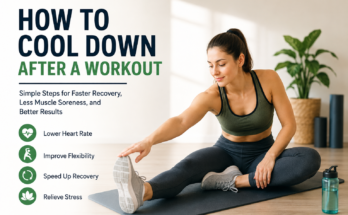
- Five minutes of gentle stretching
You can repeat the routine according to your fitness level. If an exercise causes sharp or unusual pain, stop and seek appropriate professional advice.
Do Not Forget Rest Days
One mistake I often see beginners make is thinking that more exercise always means better results. Your body also needs time to recover.
Rest days allow your muscles and energy levels to recover between workouts. You do not have to spend every day doing intense exercise to make progress.
You can use rest days for gentle walking, stretching, or normal daily activities. Getting enough sleep is also an important part of a healthy fitness routine.
Instead of trying to exercise as much as possible, focus on finding a balance between movement and recovery.
Focus on Your Eating Habits
Exercise is only one part of a healthy lifestyle. Your eating habits also matter when you are starting a fitness journey.
You do not need to follow an extreme diet. In my view, beginners should focus on eating a variety of nutritious foods and developing better everyday habits.
Try including vegetables, fruits, whole grains, protein sources, and healthy fats in your meals. Drink enough water throughout the day and pay attention to how different foods make you feel.
It is also helpful to avoid thinking of food as simply good or bad. A healthy lifestyle can include foods you enjoy while still focusing on balanced nutrition.
The goal should be creating eating habits that you can maintain for the long term.
Make Fitness Part of Your Schedule
One of the biggest challenges for beginners is finding time to exercise. The solution is often to stop waiting for free time and instead schedule movement into your day.
Choose a time when you are most likely to be consistent. Some people prefer exercising in the morning, while others feel more energetic in the afternoon or evening.
Even a short workout is useful when it helps you maintain the habit. If you only have 20 minutes, use those 20 minutes instead of skipping exercise completely.
You can also increase your daily activity by taking the stairs, walking short distances, doing household activities, or standing up regularly if you work at a desk.
Track Your Progress
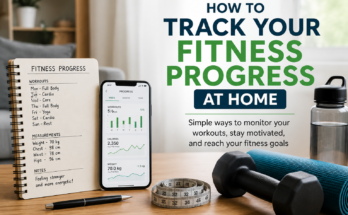
Tracking your fitness progress can help you stay motivated. However, progress is not only about the number on a scale.
You can track how often you exercise, how long you walk, how many repetitions you complete, or how energetic you feel during the day.
You may eventually notice that an exercise that once felt difficult becomes easier. You may walk longer without getting tired or feel more comfortable performing certain movements.
These are meaningful signs of progress.
I recommend focusing on how your body and habits are improving instead of constantly comparing yourself with other people.
Stay Consistent Instead of Perfect
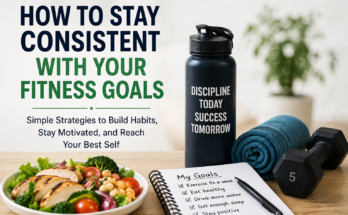
Consistency is one of the most important parts of a successful fitness journey. Missing one workout does not mean you have failed.
Life can become busy. You may have work responsibilities, family commitments, travel, or days when you simply do not feel motivated. That is normal.
The important thing is to return to your routine instead of giving up completely.
I believe it is better to follow a simple workout routine consistently for several months than to follow an extreme plan for two weeks and then stop.
Fitness is a long term journey, not a quick challenge.
Find Activities You Actually Enjoy
Exercise does not have to mean spending hours in a gym. There are many ways to stay active.
You might enjoy walking, cycling, swimming, dancing, jogging, hiking, home workouts, recreational sports, or strength training.
Try different activities and notice what you genuinely enjoy. When you enjoy an activity, it becomes much easier to continue doing it.
Your fitness routine should fit your lifestyle rather than making your life feel stressful.
Avoid Comparing Yourself With Others
Social media can make fitness look very different from real life. You may see people sharing impressive workouts, physical transformations, or advanced exercise routines.
Remember that everyone starts from a different place.
Comparing your beginning to someone else’s years of experience can make you feel discouraged. Instead, compare yourself with where you were a few weeks or months ago.
Your goal should be becoming a healthier and stronger version of yourself.
Give Yourself Time
One of the most important lessons for anyone starting a fitness journey is patience. Physical changes do not always happen immediately.
You may notice improvements in your energy, mood, strength, sleep, or endurance before you see major physical changes.
Give yourself enough time to develop healthy habits. Celebrate small improvements and keep moving forward.
A fitness journey becomes much easier when you stop looking for instant results and start focusing on sustainable progress.
A Simple Weekly Fitness Plan for Beginners
If you are unsure how to organize your first week, keep it straightforward.
On Monday, take a 20 minute walk and perform a few beginner strength exercises.
On Tuesday, take a relaxed walk or spend a few minutes stretching.
On Wednesday, complete another short beginner strength workout.
On Thursday, focus on light movement and recovery.
On Friday, take a 20 to 30 minute walk and repeat some basic strength exercises.
On Saturday, choose an enjoyable physical activity such as cycling, hiking, dancing, or a longer walk.
On Sunday, give your body time to recover and prepare for the next week.
You can adjust this routine according to your current fitness level and schedule.
Final Thoughts
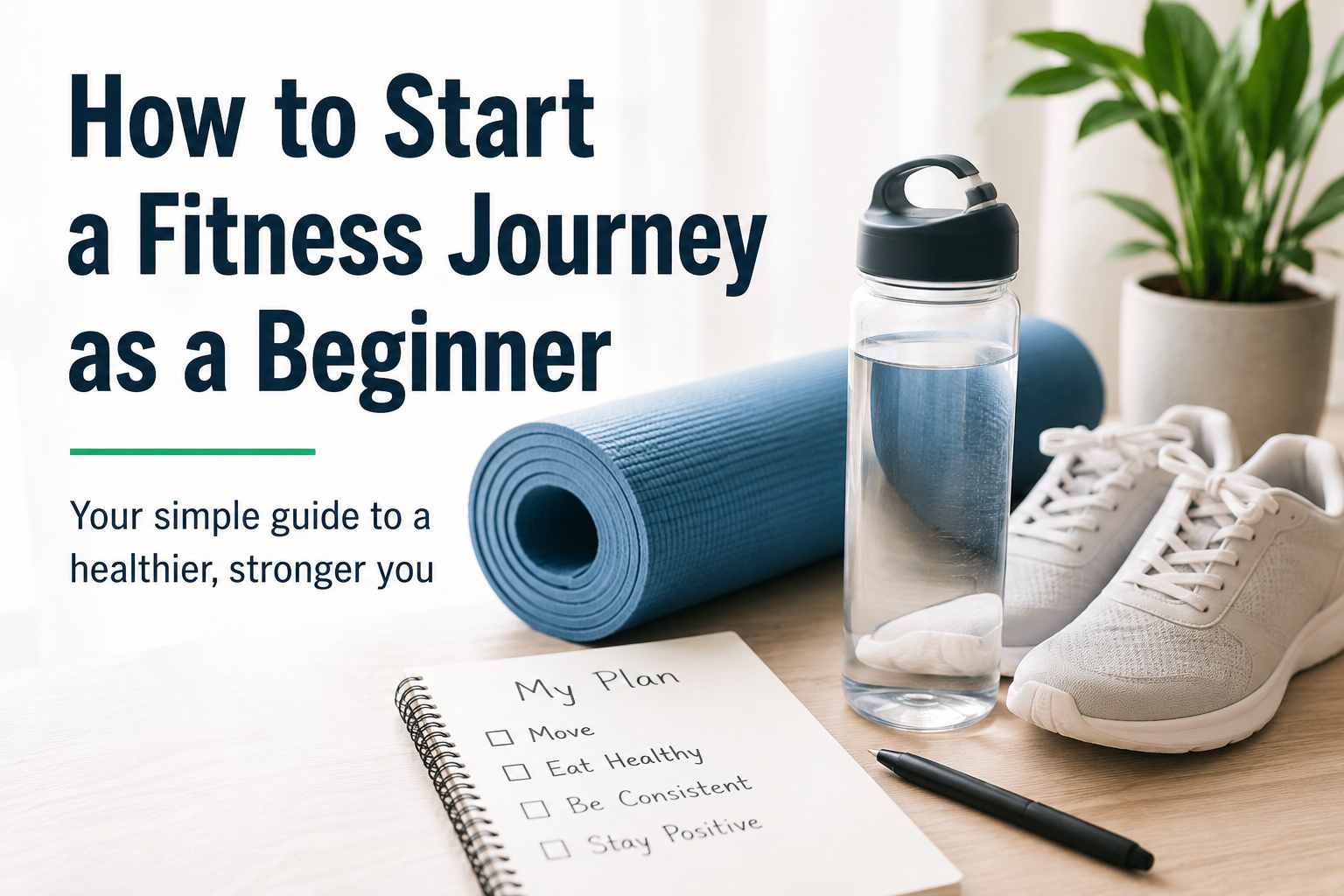
Starting a fitness journey as a beginner does not need to be complicated. The best approach is to start slowly, create realistic goals, move your body regularly, eat balanced meals, get enough rest, and stay consistent.
You do not need to become extremely fit in a few weeks. Your main goal should be building habits that you can continue for months and years.
In my opinion, the most successful fitness journey is not the one with the hardest workouts. It is the one you can enjoy and continue.
Start with a walk. Add simple exercises. Improve your everyday eating habits. Get enough rest. Track your progress and be patient with yourself.
Every small step counts. When those small steps become regular habits, they can create meaningful changes in your health, strength, confidence, and overall lifestyle.
This article is for general educational purposes and is not a substitute for individualized medical or fitness advice. If you have a health condition, injury, or concerns about beginning exercise, consider speaking with a qualified healthcare professional before starting a new fitness program.